

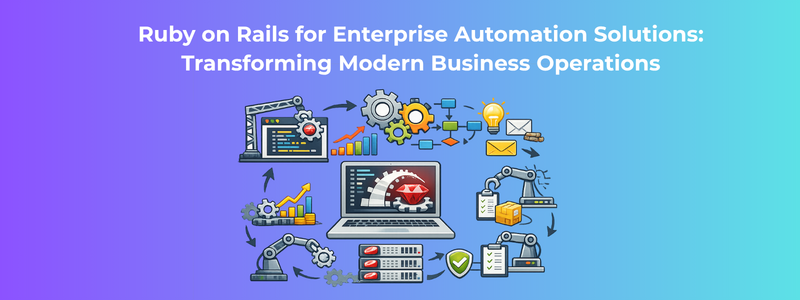
レガシー・プラットフォームは、何年も、何十年もビジネスを支えてきた。貴重なデータを保持し、ミッションクリティカルなオペレーションを実行し、多くの場合、多額の財務投資を行っている。しかし、テクノロジーが進歩し、顧客のニーズが変化すると、これらのソリューションはしばしば成長を止めます。パフォーマンスの低下、セキュリティの脆弱性、スケーラビリティの制限、統合の課題などが原因で、組織は競争力を維持するのに苦労するかもしれない。つまり、レガシー・プラットフォームの近代化はもはやオプションではなく、戦略上の必須課題なのです。Ruby on Railsに組み込まれた実用性、エレガンス、効率性は、レガシーシステムを、セキュリティや視認性を損なうことなく拡張できる、目標とする最新のデジタルプラットフォームに変換するための明確なロードマップを提供します。.
レガシー・プラットフォームの解読が問題に直面
レガシーシステムは、古いプログラミング言語、時代遅れのフレームワーク、柔軟性に欠けるモノリシックなアーキテクチャを使用して設計されている。レガシーシステムはまだその目的を果たしているかもしれないが、レガシーシステムの構造がイノベーションの妨げになることが多い。こうしたパッチやクイックフィックス、文書化されていないアップデートはすべて、時間の経過とともに技術的負債を生む。コードベースは複雑化し、小さな変更でさえリスクを伴うようになる。.
レガシー・プラットフォームを保守している企業は、しばしば保守コストの増大に直面する。開発者は、新しい機能を構築するよりも、コードのデバッグや互換性の確保に多くの時間を費やさなければならない。クラウドサービスのような最新のツールとの統合も難しくなる、, モバイルアプリケーション, およびサードパーティのAPIを使用しています。トラフィックが増加するにつれ、パフォーマンスのボトルネックが顕在化する一方、サイバー脅威の進化に伴い、セキュリティの脆弱性がより憂慮されるようになっています。.
モダナイゼーションは、中核となるビジネスプロセスを中断することなく、これらの制約を克服しようとするものです。これにより、貴重なビジネスロジックとデータを失うことなく、システムアーキテクチャ、パフォーマンス、スケーラビリティ、およびセキュリティを近代化できます。.
モダナイゼーションに最適な選択:Ruby on Rails
多くの人にRailsと呼ばれているRuby on Railsは、成熟した頭脳バグと迅速な開発、クリーンなアーキテクチャを組み合わせた、定式化されたウェブアプリフレームです。Railsの規約である「Convention over Configuration」と「Don't Repeat Yourself (DRY)」は、構造化された保守可能なコードを促進する。.
迅速な開発能力
Railsには、組み込みのジェネレータ、scaffoldingツール、および開発を高速化するgems(ライブラリ)の包括的なエコシステムが付属しています。実証済みのソリューションを簡単に活用して、認証システム、支払いゲートウェイ、バックグラウンドジョブ処理、API統合をロケットスピードで実装できます。これにより、開発期間が短縮され、モダナイゼーションによるリスクが制限されます。.
クリーンで保守性の高いアーキテクチャ
RailsはMVC(モデル、ビュー、コントローラ)フレームワークで、物事を論理的に分離します。このパターンにより、大量に投資されたレガシーアプリケーションの再構築やリファクタリングが容易になります。これにより、開発者はモジュール化されたコンポーネントを作成することができ、緊密に結合されたレガシーアーキテクチャよりもスケール、テスト、保守がはるかに容易になります。.
強力なコミュニティとエコシステム
Rails は、世界中の大規模な開発者コミュニティによって、継続的な改良、セキュリティ パッチ、最新のベスト プラクティスの提供などの恩恵を受けています。プラットフォームを最新化する企業にとっては、長期にわたって持続可能な、よくサポートされたフレームワークが頼りになります。.
レガシーシステム近代化のアプローチ
モダナイゼーションの方法は1つではありません。どのアプローチが効果的かは、システムの複雑さ、予算、スケジュール、ビジネス目標によって異なります。.
インクリメンタル・リファクタリング
インクリメンタル・リファクタリングのコンセプトにより、組織は段階的に近代化プロセスを進めることができる。システム全体を一度に書き換えるのではなく、レガシー プラットフォームが動作している間に一部のモジュールを Rails で再構築するのです。これを現実の世界で説明すると、ある企業はRailsベースのAPIレイヤーを構築し、レガシーなバックエンドコンポーネントのエンドポイントを徐々に段階的に変更することができます。これはリスクを最小限に抑え、ビジネスの継続性を保証する。.
リプラットフォーム
一方、リプラットフォームでは、コア機能はそのままに、基盤技術をアップグレードする。企業は、オンプレミスサーバーからクラウドインフラに移行し、アプリケーションレイヤーをRailsで再構築することができます。これにより、スケーラビリティやパフォーマンスの制約が緩和されるだけでなく、システム全体を書き換える必要もなくなる。.
フルシステム・リビルド
極端なシナリオでは、レガシーシステムが時代遅れで、完全に再構築する必要があるかもしれない。Ruby on Railsでの再構築に切り替えた場合、時間とリソースはかかるが、技術的負債を解消し、セキュリティのためにワークフローを再設計し、ユーザーエクスペリエンスを向上させる機会が得られる。Railsの迅速な開発機能を利用して、より管理しやすい大規模な近代化を実現。.
データ移行とデータベースの最適化
データはあらゆるビジネス・プラットフォームのバックボーンである。彼らにとって新世代への移行は、適切な場所と適切なタイミングですべてを行うといった、いくつかの深刻な問題とセットになって初めて可能になる。Ruby on Railsアプリケーションには、データベース管理を簡素化するORM(Object-Relational Mapping)レイヤーのActiveRecordも組み込まれている。.
構造化データベースの移行
Railsマイグレーションでは、データベースへの変更を記述できます。これにより、開発環境、テスト環境、本番環境で一貫性を保つことができます。古いスキーマを整理し、重複テーブルを削除し、インデックス戦略を実装することで、最新化時のパフォーマンスを向上させることができます。.
データの完全性と検証
Railsモデルには、データの一貫性を保証するバリデーションがいくつか組み込まれています。データ移行は、フォーマットを標準化し、重複をなくすなど、データベースをより効果的にするチャンスです。.
近代化によるセキュリティ強化
近代化のイニシアチブは、主にセキュリティによって推進される。国防総省は、新しいソフトウェアを保護することに主眼を置いてきたが、レガシーシステムが犠牲になることも少なくない。SQLインジェクション、クロスサイトスクリプティング(XSS)、クロスサイトリクエストフォージェリ(CSRF)といった一般的な脆弱性から保護するためのセキュリティ機能が組み込まれている。.
最新の認証と認可
Railsは堅牢な認証フレームワークと暗号化されたクレデンシャルを提供します。効率的な役割ベースのアクセス制御を適用できるため、機密データは必要な人にのみ公開される。これは、規制遵守措置の対象となる部門にとって特に重要です。.
パフォーマンスとスケーラビリティの向上
1つの誤解は、Railsではトラフィックの多いアプリケーションは作れないというものです。実は、アーキテクチャと最適化戦略がパフォーマンスを左右する大きな要因なのです。.
キャッシュとバックグラウンド処理
Railsには、RedisやMemcachedのようなキャッシュソリューションの優れたサポートがあります。Sidekiqのような一般的なバックグラウンドジョブプロセッサのほとんどは、作業を非同期(バックグラウンド)で処理できるため、レスポンスタイムが向上します。正しいデータベースインデックス作成とクエリ最適化とともに使用すると、これらのツールはパフォーマンスを劇的に向上させます。.
クラウド・ネイティブ・デプロイメント
クラウド機能:AWS、Azure、Google Cloudなど、ほとんどのクラウドプラットフォームは、Railsアプリケーションのデプロイを簡単に支援します。Dockerによるコンテナ化とKubernetesによるオーケストレーションは、さらに優れたスケーラビリティと回復力を提供します。これにより、企業は必要に応じてリソースをスケールアップまたはスケールダウンすることができ、パフォーマンス・レベルを確保しながらインフラ・コストを削減することができます。.
モダナイゼーションにおけるユーザー・エクスペリエンスの向上
画面の近代化は、ユーザー・インターフェースを再設計し、全体的なユーザー・エクスペリエンスを向上させるチャンスでもあります。多くのレガシー・プラットフォームは、古いデザイン・パラダイムにとらわれており、インタラクションが安っぽく、もたつき、ユーザーをイライラさせています。.
最新のフロントエンド技術との統合
Ruby on Railsは、React、Vue.js、Hotwireといった最新のフロントエンドフレームワークと互換性があります。これにより、企業はバックエンドの構造を損なうことなく、柔軟でレスポンシブなインターフェイスを構築できます。モダナイズされたユーザー体験は、顧客満足度を高め、ブランド認知を向上させます。.
テストと自動化の導入
レガシーシステムにはテストがまったくないことが多く、脆弱なコードやデプロイのバグが発生しやすい。Ruby on Railsでは、RSpecとMinitestを使ってテスト駆動開発を簡単に行うことができる。.
継続的な統合と展開
実施 CI/CDパイプライン は近代化プロジェクトにとって有益です。自動化されたテストとデプロイメントプロセスは、コードにヒューマンエラーが挿入されることを許さないので、機能リリースをより早くドアに出すことができる。これにより、プロセスを強化するためのアップデートに対する信頼が構築されます。.
モジュラーアーキテクチャとマイクロサービスアーキテクチャへの移行
多くの組織は、モノリシックなシステムをモジュールやマイクロサービスに分割することで、近代化の道を歩み始めます。Railsでは、サービス指向アーキテクチャを容易にするために、APIのみのアプリケーションを作成できる。.
柔軟なシステム設計
課金、認証、分析などの機能を独立したサービスに抽出することで、企業は柔軟性を得ることができます。システム全体に影響を与えることなく個々のコンポーネントを更新できるため、リスクを低減し、保守性を向上させることができる。.
近代化の成功を測る
これらの近代化努力は、測定可能な結果を生み出さなければならない。KPIには、ロード時間、アップタイム、展開サイクル、メンテナンスコストなどが含まれる。運用効率の改善と顧客満足度の向上は、変革が成功したことを示す他の指標である。.
これらの近代化努力は、測定可能な結果を生み出さなければならない。KPIには、ロード時間、アップタイム、展開サイクル、メンテナンスコストなどが含まれる。運用効率の改善と顧客満足度の向上は、変革が成功したことを示す他の指標である。.
Ruby on Railsの活用でビジネスの成長を支える
Legacy platform modernization is not just a tech upgrade; it is a long-term growth investment. In that sense, Ruby on Rails offers a rigid but secure and scalable foundation to build businesses that can respond to changing market needs. This enables organizations to continue innovating through reducing technical debt, improving system/application performance & enhancing user experience.
Railsは、リファクタリングという段階的なアプローチから、リプラットフォーム、さらにはシステムレベルでの書き換えまで、あらゆる方法でスタックをモダナイズすることができます。Railsは、次のような用途に最適なフレームワークです。 デジタルトランスフォーメーション 成熟したエコシステム、強固なセキュリティ機能、クラウドネイティブ環境との互換性などである。.
全体として、数え切れないほどの企業が、Ruby on Rails を通じてアジャイルでスケーラブルかつ高性能なデジタル プラットフォームを活用することで、古くなったレガシー システムの近代化を目指しています。近代化戦略をうまく実行すれば、イノベーションを中断させるのではなく、イノベーションに火をつけることができます。Ruby on Rails のスペシャリストは次のとおりです。 レールカーマ は、組織が痛みを伴わずに移行し、レガシーな制限を戦略的に強力な成長機会へと方向転換できるよう支援することができる。.
よくある質問
1.なぜRuby on Railsがレガシー・プラットフォームの近代化に適しているのか?
Ruby on Rails は、設定よりも規約、迅速な開発、クリーンなコード構造を重視するため、レガシーの近代化に理想的です。これにより、企業は古くなったシステムを再構築またはリファクタリングして、スケーラブルでセキュアな高性能アプリケーションに作り替えることができます。また、Rails は API ドリブン アーキテクチャをサポートしているため、すべてを一度に置き換えるのではなく、段階的な近代化の際に既存のシステムとの統合が容易になります。.
2.Ruby on Railsは既存のレガシーシステムと統合できますか?
そうです。Ruby on Railsはハイブリッド環境で非常にうまく機能します。Restful API、マイクロサービスアーキテクチャ、およびミドルウェアの統合により、Railsアプリケーションは古いデータベース、サードパーティソフトウェア、およびエンタープライズツールと通信できます。これにより、組織は継続的な運用を中断することなく、徐々に近代化することができます。.
3.Railsを使ってレガシー・プラットフォームを再構築するのとリファクタリングするのでは、どちらがよいのでしょうか?
適切なアプローチは、システムの複雑さ、パフォーマンスの問題、長期的なビジネス目標によって異なります。場合によっては、コアコンポーネントはそのままに、重要なモジュールをRailsにリファクタリングするのが費用対効果に優れています。また、完全に再構築することで、より優れたスケーラビリティ、セキュリティの向上、将来対応可能なアーキテクチャを確保できる場合もあります。通常、技術監査によって最適な戦略が決定されます。.
4.Ruby on Railsはどのようにパフォーマンスとスケーラビリティを向上させるのですか?
最新のRailsアプリケーションは、キャッシング、バックグラウンドジョブ処理、データベースの最適化、クラウドネイティブなデプロイをサポートしています。AWSやKubernetesのようなスケーラブルなインフラと組み合わせることで、Railsプラットフォームは増大するトラフィックを効率的に処理できます。さらに、Railsのモジュール構造により、システム全体に影響を与えることなく特定のコンポーネントを最適化することが容易になります。.
5.レガシーシステムをRuby on Railsでモダナイズする長期的なメリットは何ですか?
Ruby on Rails で近代化することで、技術的負債を削減し、セキュリティ標準を改善し、ユーザー体験を向上させ、将来の開発サイクルを加速します。また、Rails の標準化された構造と大規模なコミュニティ サポートにより、開発者の参加も容易になります。最終的に、企業は俊敏性、迅速なイノベーション、現在の技術トレンドとの整合性を高めることができます。.


 Japanese
  English
  German
  French
  Spanish
  Italian
  Swedish