
In the rapidly evolving digital marketing landscape, businesses need effective strategies to reach the right audience, communicate their value, and achieve sustainable growth. The STP marketing model remains one of the most important frameworks for developing successful marketing strategies in 2027. STP stands for Segmentation, Targeting, and Positioning, three essential steps that help businesses understand their customers and deliver relevant marketing messages. With increasing competition, changing consumer expectations, and the growing use of AI-powered marketing tools, implementing the STP marketing model has become more important than ever. Businesses can use this framework to improve customer engagement, optimise marketing budgets, and create stronger brand identities. This guide explores the STP marketing model, its components, benefits, practical examples, and how businesses can apply it effectively in 2027.
What Is the STP Marketing Model?
The STP marketing model is a strategic framework that helps businesses identify customer groups, select the most valuable audience segments, and develop a distinct brand position. Instead of marketing products to everyone, companies use STP to focus their efforts on customers who are more likely to be interested in their products or services.
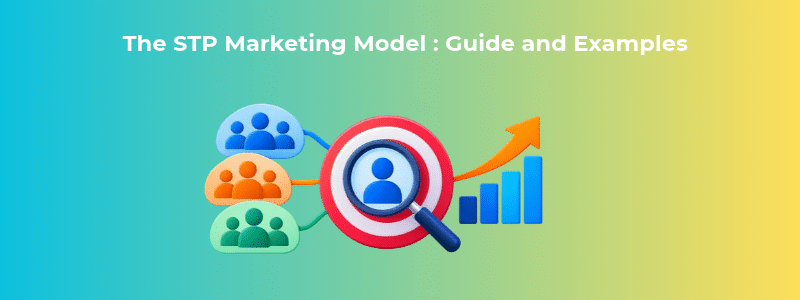
The model consists of three interconnected stages: Segmentation, Targeting, and Positioning. Segmentation divides the broader market into smaller groups based on shared characteristics. Targeting evaluates these groups and identifies the most suitable audiences. Positioning establishes how a business wants its products or services to be perceived by its selected customers.
In 2027, the STP marketing model is increasingly supported by customer analytics, AI-driven insights, digital advertising platforms, and marketing automation. These technologies help businesses understand customer behaviour and adapt their strategies to changing market conditions.
1. Market Segmentation: Understanding Your Audience
Market segmentation is the first stage of the STP marketing model. It involves dividing a large market into smaller groups of customers who share similar needs, preferences, behaviours, or characteristics. Effective segmentation helps businesses understand that different customers may require different products, services, and marketing messages.
There are several common types of market segmentation.
Demographic Segmentation
Demographic segmentation categorises customers based on factors such as age, gender, income, education, occupation, and family status. It is widely used because demographic information can help businesses identify customer needs and purchasing patterns.
For example, a software company offering enterprise management solutions may focus on business owners, IT managers, and senior executives who influence technology purchasing decisions.
Geographic Segmentation
Geographic segmentation divides customers based on their location, such as country, region, city, or climate. Businesses use this approach to customise marketing campaigns according to local preferences, language, and market conditions.
For example, a technology company may promote cloud solutions differently in regions where businesses are rapidly adopting digital infrastructure compared with markets where digital transformation is still developing.
Psychographic Segmentation
Psychographic segmentation focuses on customers’ interests, lifestyles, values, attitudes, and motivations. It helps businesses understand why customers make particular purchasing decisions.
For example, a company offering sustainable technology solutions may target organisations that prioritise environmental responsibility and energy efficiency.
Behavioural Segmentation
Behavioural segmentation categorises customers based on their purchasing behaviour, product usage, brand loyalty, and interaction with marketing campaigns.
For example, a SaaS business may segment customers into first-time visitors, free-trial users, active subscribers, and customers considering renewal. Each group can receive marketing messages relevant to its stage in the customer journey.
2. Targeting: Selecting the Right Market Segment
Targeting is the second stage of the STP marketing model. After identifying different customer segments, businesses evaluate them and select the audiences they want to serve.
Not every segment is equally valuable. Companies should assess each segment based on its size, growth potential, profitability, competition, accessibility, and alignment with business objectives.
There are four commonly used targeting strategies.
Undifferentiated Marketing
Undifferentiated marketing involves targeting the entire market with a single marketing strategy. Businesses using this approach assume that their products or services appeal to a broad audience.
For example, a company offering basic internet connectivity may promote a standard service to a wide range of customers.
Differentiated Marketing
Differentiated marketing focuses on multiple market segments with separate marketing strategies for each group.
For example, a software company may offer different solutions for startups, small businesses, and large enterprises. Each audience receives customised messaging and service packages.
Concentrated Marketing
Concentrated marketing focuses on one specific market segment. This strategy is useful for businesses with limited resources or specialised products.
For example, a technology provider may focus exclusively on healthcare organisations that need specialised software development services.
Micromarketing
Micromarketing targets very specific customer groups or individuals using highly personalised marketing strategies.
For example, a business may create personalised campaigns for customers based on their location, preferences, previous purchases, or interactions with its website.
In 2027, AI-powered analytics and marketing automation can help businesses identify high-value segments, understand customer intent, and deliver more relevant campaigns. However, targeting decisions should rely on accurate data and respect customer privacy.
3. Positioning: Building a Distinct Brand Identity
Positioning is the final stage of the STP marketing model. It involves creating a distinctive image of a product, service, or brand in the minds of the target audience. Effective positioning communicates why customers should choose a particular business over its competitors.
Businesses should identify their unique selling proposition (USP), understand customer expectations, and communicate their competitive advantages clearly.
Key Elements of Brand Positioning
Value Proposition: Explain the benefits customers receive from your product or service.
Differentiation: Highlight what makes your business different from competitors.
Brand Messaging: Develop consistent communication that reflects your brand’s identity and values.
Customer Experience: Ensure that the actual customer experience supports the brand promise.
Competitive Advantage: Communicate why your offering provides greater value than competing alternatives.
In 2027, positioning also involves establishing trust, demonstrating expertise, and communicating how businesses use technology to deliver measurable value.
The STP Marketing Model: Practical Examples
Understanding the STP marketing model becomes easier when examining how businesses apply it in real-world situations.
Example 1: STP Marketing Model for a SaaS Company
Consider a software company offering cloud-based business management solutions.
Segmentation: The company divides its market into startups, small businesses, medium-sized enterprises, and large corporations.
Targeting: It selects small and medium-sized businesses that require affordable, scalable software solutions.
Positioning: The company positions its software as a user-friendly, cost-effective platform that helps businesses improve productivity and streamline operations.
This strategy enables the software company to focus its marketing budget on businesses with relevant needs and purchasing potential.
Example 2: STP Marketing Model for an E-commerce Business
An online retailer selling fitness products can use STP to attract different customer groups.
Segmentation: Customers are divided into fitness beginners, professional athletes, health-conscious individuals, and people interested in home workouts.
Targeting: The retailer focuses on fitness beginners and home workout enthusiasts.
Positioning: The brand presents itself as an affordable and convenient destination for high-quality fitness equipment and accessories.
By tailoring marketing messages to these customers, the retailer can improve engagement and increase conversion opportunities.
Example 3: STP Marketing Model for a Technology Company
A technology company offering software development services can apply STP to improve its B2B marketing strategy.
Segmentation: The market is divided into industries such as healthcare, finance, retail, education, and manufacturing.
Targeting: The company focuses on retail and healthcare businesses seeking digital transformation solutions.
Positioning: The brand positions itself as a reliable technology partner offering scalable software development, AI integration, and digital innovation services.
This approach helps the company build industry-specific messaging and attract more relevant business opportunities.
Benefits of the STP Marketing Model in 2027
The STP marketing model provides several advantages for businesses operating in competitive markets.
Improved Marketing Efficiency
By focusing on relevant customer segments, businesses can reduce unnecessary marketing expenditure and improve campaign effectiveness. Targeted campaigns help organisations allocate resources more strategically.
Better Customer Understanding
Segmentation enables businesses to understand customer needs, preferences, purchasing behaviour, and expectations. This knowledge supports the development of more relevant products and services.
Higher Customer Engagement
When marketing messages reflect customer interests and challenges, audiences are more likely to engage with campaigns. Personalised communication can improve customer relationships and strengthen brand loyalty.
Stronger Competitive Positioning
STP helps businesses identify their unique value propositions and differentiate themselves from competitors. Clear positioning makes it easier for customers to understand the advantages of choosing a particular brand.
Increased Conversion Opportunities
Targeting customers who are more likely to need a product or service can improve lead quality and conversion potential. Businesses can focus their sales and marketing efforts on audiences with stronger purchasing intent.
How AI Is Transforming the STP Marketing Model
Artificial Intelligence is making the STP marketing model more dynamic and data-driven in 2027. Traditional segmentation often relies on predefined customer categories, whereas AI-powered systems can analyse large datasets to identify patterns and emerging customer behaviours.
AI can support segmentation by evaluating customer interactions, purchasing history, website activity, and other permitted data. Machine learning algorithms can help identify customer groups that may not be immediately visible through traditional analysis.
AI also supports targeting by predicting customer preferences, identifying potential leads, and helping marketers prioritise valuable audiences. Marketing automation tools can then deliver relevant messages through email, digital advertising, websites, and other channels.
In positioning, AI can help businesses analyse customer feedback, monitor competitors, and identify market trends. These insights can support more informed brand messaging and product differentiation.
However, businesses should ensure that AI-powered marketing practices remain transparent, privacy-conscious, and consistent with applicable data protection requirements.
Common Mistakes to Avoid When Implementing STP
Although the STP marketing model is straightforward, businesses can encounter challenges during implementation.
One common mistake is creating overly broad customer segments. When segments lack clear characteristics, marketing campaigns may become less relevant and effective.
Another mistake is targeting too many audiences simultaneously. Businesses should prioritise segments that align with their capabilities, resources, and strategic objectives.
Poor positioning can also weaken marketing performance. If a brand does not communicate its unique value clearly, customers may struggle to differentiate it from competitors.
Additionally, businesses should avoid relying on outdated customer data. Market conditions, customer preferences, and purchasing behaviour change over time, making regular segmentation and targeting reviews essential.
Finally, companies should measure campaign performance using relevant indicators such as conversion rates, customer acquisition costs, engagement, and customer lifetime value.
Slutsats
The STP marketing model remains an essential framework for developing effective marketing strategies in 2027. By combining Segmentation, Targeting, and Positioning, businesses can identify valuable audiences, understand customer needs, and establish distinctive brand identities.
The growing adoption of AI, dataanalys, and marketing automation is making the STP process more precise, adaptable, and efficient. Businesses can use these technologies to improve customer understanding, personalise marketing communication, and optimise campaign performance.
For technology companies such as RailsCarma, applying the STP marketing model can help identify promising industries, target businesses with relevant software development requirements, and position services around measurable business value. By integrating strategic marketing principles with modern digital technologies, organisations can build stronger customer relationships and achieve sustainable growth in an increasingly competitive marketplace.



 Swedish
 English
 Japanese
 German
 French
 Spanish
 Italian